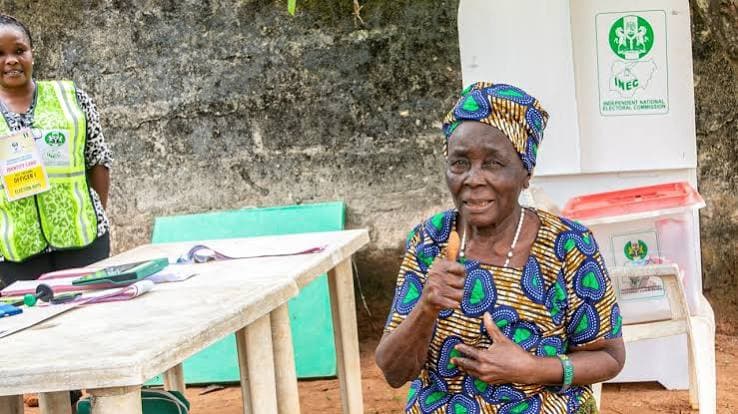
Calls for Comprehensive Reforms Ahead of Nigeria's General Elections
As Nigeria approaches its general elections, focus is on proposed reforms to improve voter registration and enhance electoral integrity.
AAAreakoko Admin
Jul 25, 20263 min read
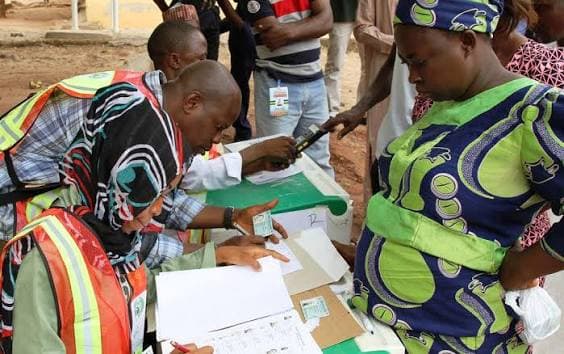
As Nigeria gears up for its next general elections, attention is shifting from merely the voting process to the broader reforms that could redefine how citizens register, cast their votes, and contest election outcomes. Recent elections have exposed significant challenges, including allegations of voter suppression, logistical failures, and disputes over results. These issues have sparked urgent calls for comprehensive reforms aimed at enhancing the integrity and accessibility of the electoral process.
The call for electoral reform in Nigeria arises from a long history of electoral malpractice and widespread public distrust in the electoral system. Many citizens have voiced concerns about the transparency of the voting process, the effectiveness of the Independent National Electoral Commission (INEC), and the overall credibility of election results. Recent surveys reveal that a considerable portion of the electorate feels disenfranchised, which could adversely affect voter turnout in upcoming elections. Addressing these concerns is essential for restoring public confidence and ensuring that elections genuinely reflect the will of the people.
Several key reforms are being proposed to tackle these pressing issues. A major suggestion is the introduction of a more robust electronic voting system, which could streamline the voting process and mitigate the potential for fraud. Additionally, discussions are underway regarding reforms to the voter registration process, including automatic registration and the integration of biometric data to ensure that only eligible voters can participate. Furthermore, enhancing the legal framework for contesting election results is deemed vital to ensure that grievances can be addressed fairly and transparently.
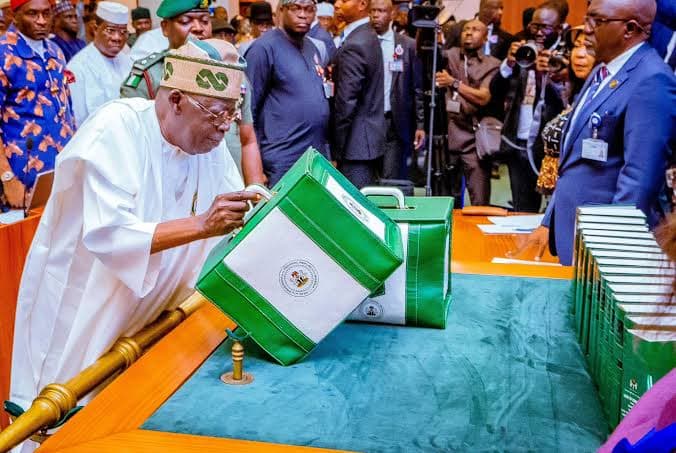
The government and INEC are pivotal in implementing these reforms. INEC has already begun exploring technological advancements to enhance the electoral process, such as electronic voting machines and online voter registration. However, the success of these initiatives hinges on government support and adequate funding. Legislative backing is also crucial, as any significant changes to the electoral process will necessitate amendments to existing laws. Collaboration among INEC, the government, and civil society organizations will be essential in driving these reforms forward.

Public engagement is a critical component of the reform process. Educating citizens about their voting rights and the proposed changes is vital for ensuring widespread support and participation. Civil society organizations play a crucial role in this effort, helping to mobilize communities and raise awareness about the importance of electoral integrity. Initiatives aimed at increasing voter education and participation, particularly among young people, could have a significant impact on future elections.
International observers have highlighted the pressing need for reforms in Nigeria's electoral process. While Nigeria has made notable strides in improving its electoral framework, there remains much work to be done to align with global best practices. Observers emphasize the importance of transparency, accountability, and inclusivity in the electoral process, urging Nigerian authorities to take decisive action to implement the proposed reforms.
As Nigeria prepares for its upcoming elections, the proposed reforms present a crucial opportunity to address longstanding issues within the electoral system. If implemented effectively, these changes could usher in a more transparent, fair, and inclusive electoral process, ultimately strengthening democracy in the country. The coming months will be pivotal as stakeholders engage in discussions about these reforms, and the public remains vigilant in advocating for a system that truly reflects their voices.