Electoral Act Revised Ahead of 2027 Elections in Nigeria
The Independent National Electoral Commission (INEC) has set February 20, 2027, for the presidential elections, revising laws to enhance voter engagement.
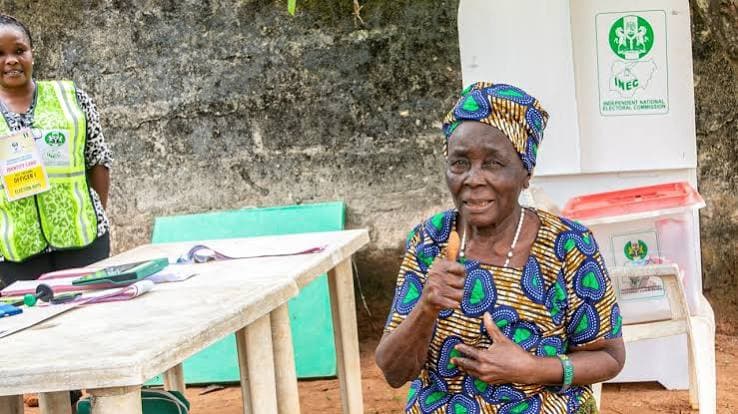
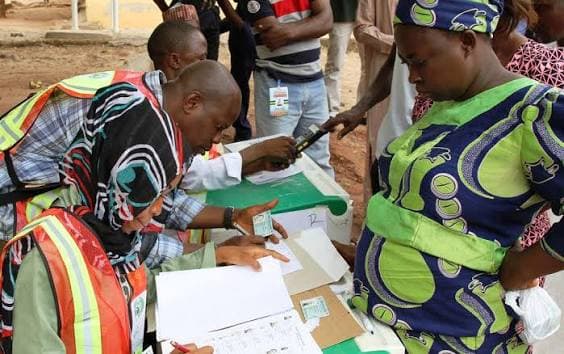
The Independent National Electoral Commission (INEC) has fixed February 20, 2027 as the date for the presidential and National Assembly elections. This is a crucial milestone on Nigeria’s electoral calendar as the country gears up for a critical election that might shape the country’s political future.
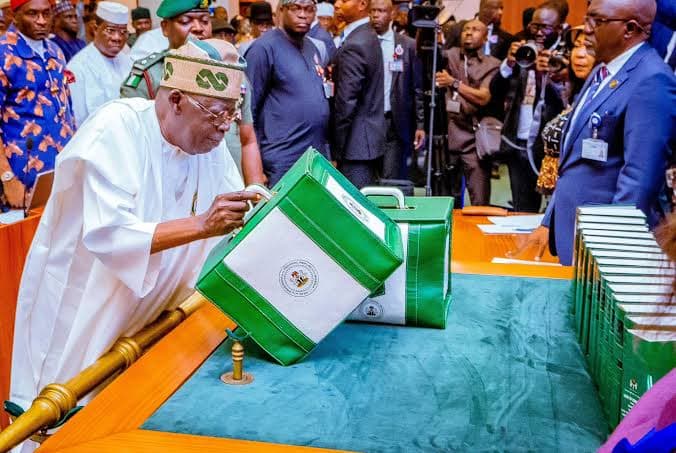
The Senate has revised the Electoral Act to reduce the duration of notice of election from 360 days to 300 days before elections. The modification is meant to accommodate the Ramadan period, which is expected to affect voter turnout and logistical preparedness. The amendment seeks to bring voting processes in line with cultural and religious observances in Nigeria.
There have been various issues that political commentators say have led to misunderstanding in the electoral process. The key reasons are weak internal party democracy and INEC’s uneven application of electoral laws. These difficulties have led to an increasing use to litigation to resolve electoral disputes, adding to the complexity of the electoral scene.
There are fears that the elections may affect voter turnout, as they are taking place during the Ramadan month. There are fears that the fasting month may discourage participation and provide logistical challenges for INEC and political parties. The stakeholders are seeking measures to cushion these consequences and ensure a seamless election process.

The new modifications and the status of Nigeria’s electoral laws are being evaluated by legal experts. Barrister Olalekan Festus Ojo said there was a need for greater internal party democracy. “At the bottom is the basic collapse of internal party democracy,” he said. For his part, Barrister Kenneth Udeze warned that without tougher compliance and persistent implementation of fines by INEC, confusion will continue to be clouded in the voting process.
INEC Chairman, Joash Amupitan, has restated the commission’s commitment to free and fair elections in 2027. “The impending election could be a turning point in the history of Nigeria,” he said, stressing the need for integrity in the electoral process. His remarks highlight INEC’s involvement in addressing the issues of the modified statutes and the general electoral terrain.
As Nigeria moves towards the 2027 elections, issues remain regarding what reforms are needed to ensure internal party democracy and how INEC will guarantee the integrity of the electoral process. “Stakeholders are also concerned about security measures to enhance voter turnout. The next few months will be key to addressing these concerns and preparing for an election that many hope would restore faith in Nigeria’s democratic institutions.