Fake Jobs, Forced Labour: Closing Nigeria’s New Trafficking Routes
Fake job adverts and promises of overseas work are exposing Nigerians to trafficking and forced labour, prompting calls for safer recruitment and stronger enforcement.
Online adverts promising quick employment, overseas travel or unusually high wages can lead jobseekers into human trafficking. Recruiters may hide the real nature and conditions of the work, withhold travel documents, create debts or restrict a worker’s freedom. The danger is especially high when recruiters ask applicants to surrender identity documents, pay unexplained fees or travel without a written contract.
Nigeria’s response must combine stronger online monitoring, tighter vetting of recruiters and faster support for victims. Recruiters often approach potential victims through social media, messaging apps, informal agents and fake job websites, making it difficult for people seeking work from low-income countries to distinguish genuine opportunities from schemes designed to extort money, obtain personal documents or control their movement.
A recent example was the rescue of Nigerians trafficked to Myanmar through Thailand under the guise of online marketing jobs, only to be forced into internet fraud (Yahoo!). In that case, the recruiters conducted an interview and paid for proof of funds—a tactic that differed from more familiar methods such as pressuring applicants to accept offers, demanding recruitment fees, providing vague job descriptions, promising unusually high salaries or insisting that the arrangement remain confidential.
The danger does not end when jobseekers reach the promised destination. Some victims may be forced into domestic work, agriculture, construction, hospitality, commercial activities or other jobs under conditions they never agreed to. Threats, withheld wages, debt, violence, isolation and the confiscation of documents can prevent workers from leaving or seeking help. When recruitment crosses borders, victims may also face unfamiliar laws, language barriers and limited access to Nigerian consular support.

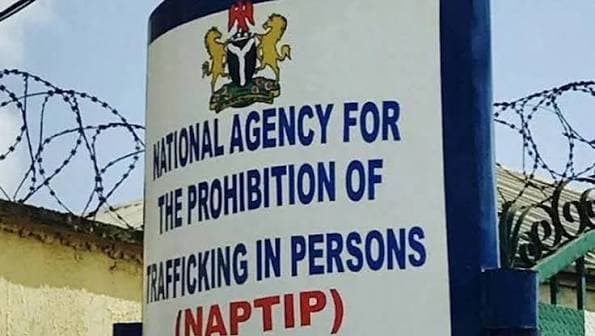
Closing these routes will require coordinated action. Online platforms and telecom companies can improve systems for reporting suspicious adverts and preserving evidence. Recruitment agencies should be traceable, licensed and subject to regular inspections. Government agencies, including the National Agency for the Prohibition of Trafficking in Persons, can strengthen public warnings, investigate recruiters and improve referral systems for survivors.
Jobseekers also need clear, accessible information on approved recruiters, written contracts, complaint channels and emergency contacts. Employers and recruitment intermediaries should be required to disclose pay, duties, location, working hours and contract terms before a worker travels or begins a job.
Enforcement must target not only traffickers who move people but also businesses and individuals who knowingly benefit from forced labour. Survivors should be treated as people in need of protection, rather than being punished for immigration or documentation offences linked to their exploitation.
Nigeria cannot rely on public warnings alone while unemployment and the search for work continue to push people towards informal recruiters. A credible response will depend on coordinated enforcement, safer recruitment channels and practical support for those who report abuse. Until those safeguards are easier to access, fake jobs will remain a potential entry point for forced labour.