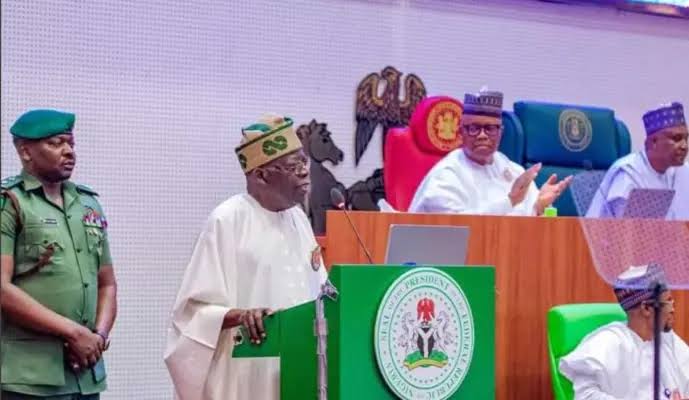
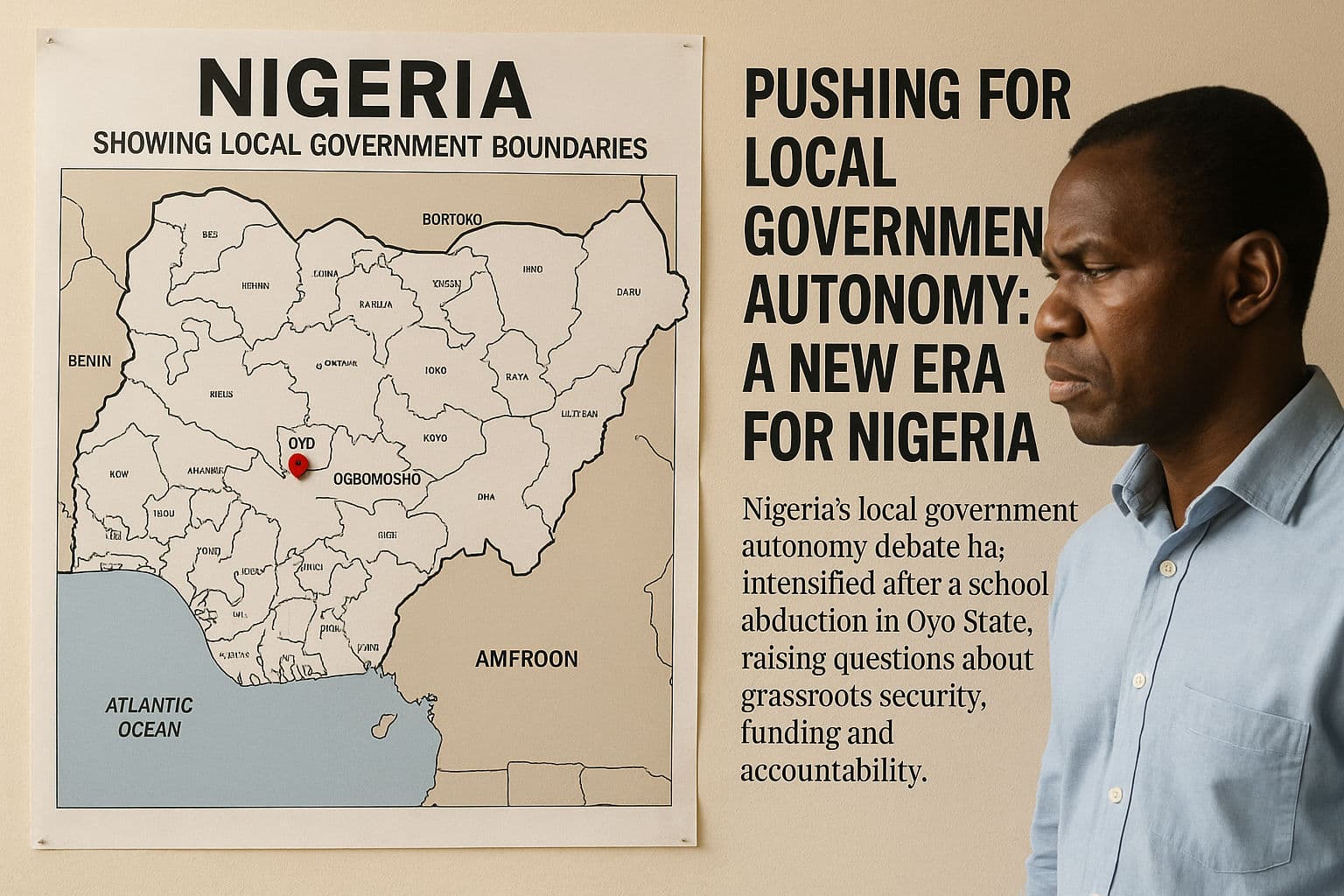
Decentralization: Key to Strengthening Nigeria's Local Administrations
Decentralization could enhance local governance in Nigeria, improving public services and responding to community needs effectively.
Nigeria’s governance structure has been a highly centralised one since the military interventions in the late 20th century. This centralisation has weakened the power and efficiency of local administrations. Local administrations are consequently hobbled by problems including lack of fiscal autonomy, excessive supervision by state governments and poor institutional capability, which makes it difficult for them to serve their communities well.
First-world nations such as Germany, Canada, and the United States shows how decentralisation can promote national unity and encourage good governance. These countries have successfully created systems that empower local administrations to better solve community problems. According to experts, Nigeria might be able to benefit from some of these achievements provided they are tailored to its unique situation.
The calls for overhauling Nigeria’s local government are getting louder. Dr. Umar Dauda Usman, a scholar, has called for the strengthening of Local Government institutions to ensure improved public service delivery and sustainable development at the grassroots level. But what particular reforms will be introduced to strengthen the independence of local governments remains to be seen, leaving some doubt about where these moves are headed.
The decentralisation can have serious ramifications for the current security difficulties in Nigeria. The promise of state policing is that effective security measures must be taken closer to the people, say advocates. This localised method of security could possibly solve problems better than a centralised one, but it’s still being figured out how this would be done.

Nigeria’s local governments are grappling with serious issues of fiscal sovereignty. Many local governments depend largely on state governments for support, which limits their capacity to raise their own revenues. This dependency can decrease their efficacy and responsiveness to local requirements. Any successful decentralisation will have to address these fiscal problems.
Nigeria's move to decentralise power signals a radical change in the governance philosophy of the country The potential benefits of improved local administration and enhanced delivery of public services are obvious, but the road forward will require careful reflection of changes, financial autonomy and the capacity of local institutions. The jury is still out on whether these measures will succeed or not and will depend on the resolve of state and municipal leaders to empower local governments as the discussion continues.