Solar Power Surpasses National Grid Costs in Nigeria
Solar power is now cheaper than electricity from Nigeria’s national grid, marking a milestone in the country's energy sector.
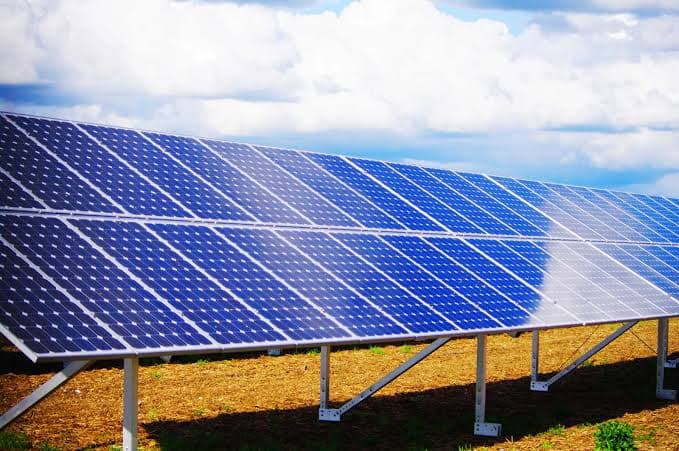
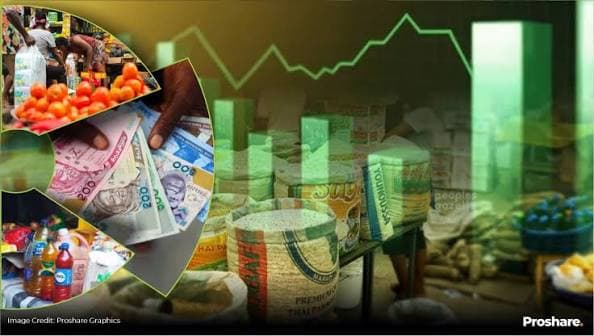
For the first time, solar power is cheaper than electricity from Nigeria’s national grid. Electricity from the grid is now between N220 and N270 per kilowatt-hour, while solar and wind energy are between N85 and N140 per kilowatt-hour. This shift in price marks a milestone for Nigeria’s energy space.
The running costs of gas-fired power plants in Nigeria have increased to between N120bn and N150bn annually. On the other hand, the cost of running and maintaining a 100-megawatt solar plant is far less, estimated to be between N1.7 billion to N2.5 billion. This gap is a very good indicator of the economic advantages of solar power.
Nigeria now has over 170 solar-powered mini-grid networks that have been shown to be more reliable than the national grid. With increased confidence in decentralised energy solutions, the government is targeting the completion of twenty-eight new mini-grids by the first quarter of 2026. “Mini-grids are a critical technology choice for the country, and are quite effective,” said Abba Aliyu, CEO of the Rural Electrification Agency.
The Electricity Act was enacted in 2023 and gives jurisdiction to the states to create and manage their electricity. The new legislation is anticipated to hasten the development of solar energy in Nigeria. However, there are still uncertainties over what precise policies the Tinubu administration would adopt to facilitate this transition and how it will tackle the regulatory hurdles in the decentralised market.
Solar systems in Nigeria range from entry level of about N400,000 to high end systems between N10 and N20 million. This pricing range provides users with a number of options to achieve near total energy independence. As more solar technology becomes available, it could contribute to increasing national acceptance of renewable energy options.
Industry leaders confident about Nigeria’s solar energy future. “The cost of solar is now cheaper,” said Adewale Odugbesan, CEO, Royal Power & Energy Limited. The former Vice President, Atiku Abubakar, blamed the government for delayed response to the energy crisis. “It should not take a government three years in office to discover what was obvious more than two decades ago,” he said. These learnings are indicative of an increasing need for action in the energy sector.
Nigeria faces major energy issues, but the transition to solar power could lead to energy independence. As conventional electricity sources become more costly to operate, solar mini-grids are proving to be more reliable. This might signify a significant change in the country’s energy map. But this transition will depend on strong policy and regulatory frameworks that promote sustainable energy solutions for all Nigerians.