Sahel Insecurity Puts Pressure on Northern Nigeria’s Security and Trade
Rising insecurity across the Sahel is putting pressure on northern Nigeria’s border security, regional cooperation and trade routes.
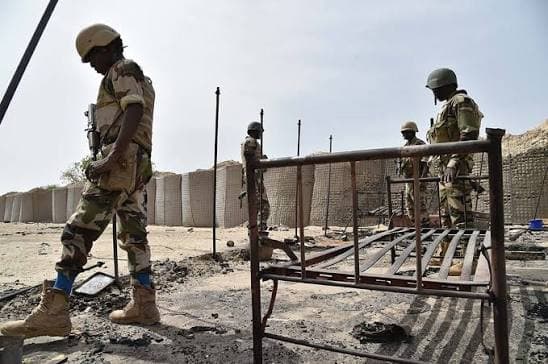
Insecurity across the Sahel is increasing pressure on Nigeria’s northern border security and exposing weaknesses in regional cooperation, according to reports from trusted sources. The reports describe risks linked to arms trafficking, militant movement and organised crime, but they provide no current data showing the exact effect on Nigerian trade, food prices, transport costs or border revenue. Nigeria’s long borders and close social and commercial ties with Niger, Chad, Cameroon and Benin mean that instability in neighbouring countries could affect communities and businesses in the North.
Mali, Burkina Faso and Niger are described as part of a connected security environment where extremist groups and criminal networks exploit poorly governed spaces and cross-border routes. The groups identified in the reports include JNIM, Islamic State Sahel Province, Boko Haram and ISWAP. The 2023 coup in Niger has also complicated cooperation with neighbouring countries and regional institutions. BusinessDay, citing the 2025 Global Terrorism Index, reported that the Sahel accounted for 19 percent of terrorist attacks worldwide and 51 percent of terrorism-related deaths in 2024, up from 48 percent in 2023. Those figures were not independently supplied in the research material.
Security observers cited in the reports have warned that extremist groups could try to extend routes towards the Lake Chad Basin and north-western Nigeria, potentially bringing arms and foreign fighters closer to Nigerian communities. That warning is not evidence that JNIM or a related coalition has established a presence in the Lake Chad Basin. Sadiq Muhammad Mustapha of the Dispute Resolution and Development Initiative said Nigeria’s response should include stronger border surveillance, better coordination among the military, police, immigration, customs and intelligence agencies, and regular regional intelligence-sharing. Proposals in the reports include an intelligence fusion centre, integrated border operations, joint action against terrorist financing and shared investment in surveillance and communications technology.
The reports also point to domestic measures beyond military operations. P.M. News argues that effective policing, local governance, economic opportunities, reliable intelligence and public trust are needed for lasting security. It discusses state police as one possible way to respond to local threats, while noting the risks of political interference, abuse and uneven standards. In Kaduna, Blueprint reported that the Northern Nigeria Security Trust Fund Board was inaugurated on July 8, 2026, with Gen. Martin Luther Agwai and Alhaji Mahmud Yayale Ahmed as co-chairmen. The newspaper said states and local governments were expected to contribute ₦1 billion monthly for 12 months, but the available material does not establish whether collections have started or explain the fund’s legal, audit and oversight arrangements.

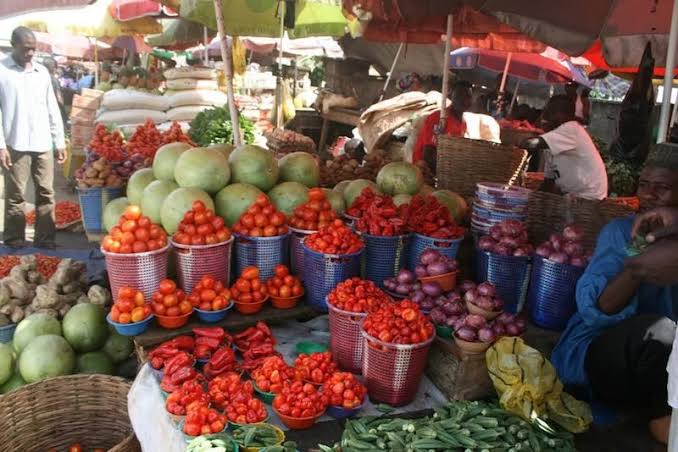
For northern businesses, the central concern is whether stronger security can restore movement along roads, border crossings and trading routes. The reports link security to wider economic goals, including farming, livestock, agro-processing, formal mining, infrastructure and renewed commerce. They do not, however, quantify present losses or confirm how much regional insecurity has changed trade flows. The immediate test for Nigeria and its neighbours will be whether proposed cooperation produces measurable improvements in surveillance, intelligence-sharing and civilian safety while ensuring that new security funds are transparent and accountable.