Nigeria Faces Higher Food Prices as Conflict Drives Up Fuel and Freight Costs
Rising energy, shipping and transport costs linked to the Iran-Israel-US conflict could increase food prices and pressure Nigerian traders and farmers.
Reports of a conflict involving Iran, Israel and the United States that began on 28 February 2026 have put pressure on energy prices, shipping routes and supply chains. In Nigeria, the effects are being felt through higher petrol and diesel costs, more expensive transport and rising concerns about food production and distribution. BusinessDay, citing an SBM Intelligence report, said Brent crude climbed from about $82 a barrel to above $110 as fears grew over shipping through the Strait of Hormuz.
The BusinessDay report said petrol in Lagos rose from N830 to N1,325 per litre within a month, while prices in Abuja reached as high as N1,367. Diesel was reported to have increased from about N1,100 to N1,550 per litre. The report also said short-distance transport fares in Lagos and Abuja rose by as much as 80 percent, with long-haul freight costs increasing as well. These figures require confirmation against official Nigerian fuel-price and market data.
The higher costs are feeding into daily trading and household budgets. An SBM Intelligence survey of 220 traders in nine Nigerian cities, as reported by BusinessDay, found that 82.7 percent said prices had risen and linked the increases directly to the conflict. The report also said 70 percent had struggled to obtain fuel for generators and transport, while 62.7 percent expected the disruption to damage their businesses over the next three months. Individual traders quoted in the reports described customers cutting back on non-essential purchases as food and transport absorbed more of their income.
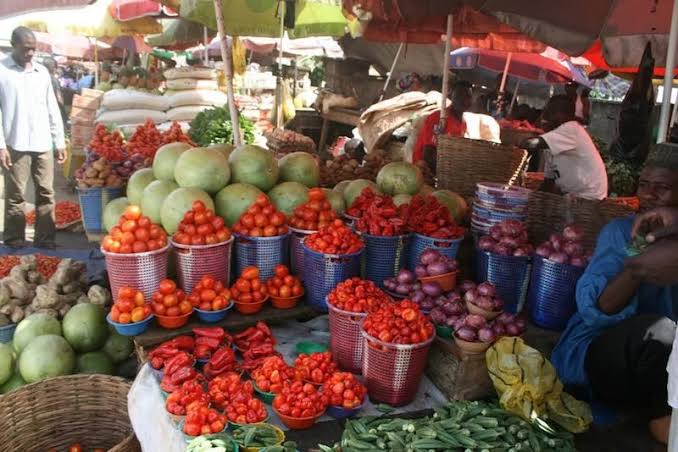
Agriculture could face a second-round impact if fuel and imported inputs remain expensive. Daily Trust reported that many farmers depend on petrol- or diesel-powered pumps for dry-season irrigation, raising the possibility that some could cultivate less land or stop irrigation. The report did not provide evidence showing how many farmers have already done so. Higher energy and shipping costs could also affect fertilizer prices and the movement of tomatoes, onions, peppers, wheat and rice from producing areas to cities. WFP said rerouted vessels, port congestion, longer journeys, insurance costs and fuel prices are disrupting the movement of food, fertilizer, fuel and medicines, with shipping costs reportedly rising by as much as 25 percent.

WFP has warned that maritime operations could take four to five months to stabilise even if conditions improve. It projects that 45 million more people could face hunger if the crisis does not ease by mid-2026, taking the global number facing acute food insecurity to about 363 million; nearly two-thirds of those at risk are in Africa and Asia. WFP also said conflict-related inflation had forced it to stop assisting 1.5 million people, without providing a country-by-country breakdown in the material reviewed. The agency is responding by sourcing supplies closer to operations, extending distribution cycles and using more cash-based assistance where possible.
Nigeria’s exposure is structural: despite producing crude oil, it remains vulnerable to global oil prices, internationally priced or imported refined fuel, shipping disruptions and costly farm inputs. Higher crude prices could improve oil revenue while worsening fuel, transport and food inflation, but the available material does not quantify either effect. Suggested responses include targeted support for irrigation fuel, stronger domestic fertilizer production and reserves, renewable-energy irrigation and broader measures to reduce dependence on external supply routes. The scale of the impact will depend on how long the conflict and related shipping disruptions continue, as well as on domestic factors such as exchange rates, local harvests and existing inflation.