Opinion: Nigeria’s Commuters Are Paying for Policy Failure
Rising fares, longer journeys and weak public transport are forcing Nigerian commuters to bear the cost of years of poor planning and policy failure.
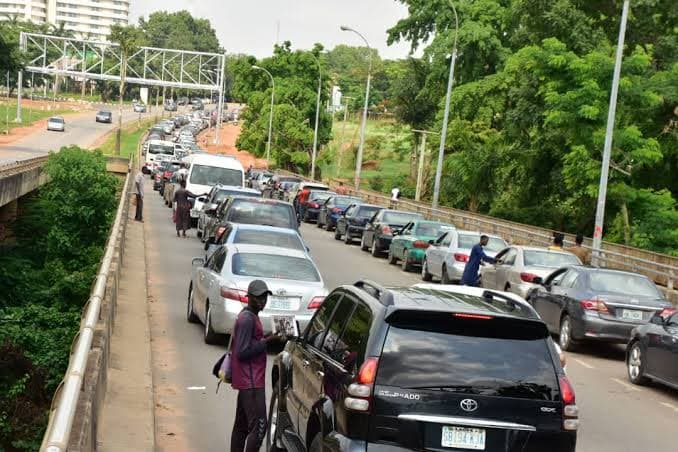
OPINION: Nigerian commuters are bearing the cost of policy choices they did not make. Rising fares, longer journeys and unreliable public transport have turned daily movement into a growing financial burden for workers, students, traders and small-business owners. The central argument is simple: transport hardship is not only a result of market forces or individual operator decisions; it also reflects years of weak planning, inconsistent policies and inadequate investment in mass transit.
The removal of petrol subsidies and changes in the foreign-exchange market have increased pressure across the transport chain. Higher fuel and vehicle-maintenance costs affect commercial buses, taxis, tricycles and motorcycles, while commuters absorb much of the increase through higher fares. Those policies may have been introduced to address wider economic problems, but their immediate effect on movement and household budgets has not been matched by sufficient relief for the people most affected.
The deeper problem is that many Nigerians have few practical alternatives. In several cities, public transport systems are too limited, poorly connected or difficult to access. Rail projects can help, but they do not replace a coordinated network of buses, roads, waterways and safe walking routes. When transport planning is treated as a series of isolated projects rather than one connected system, commuters pay with money, time and lost opportunities.
Government response should go beyond short-term palliatives. Authorities need reliable data on routes, passenger numbers and operating expenses before setting support schemes. They should also publish clear timelines for transport interventions, strengthen urban planning and make mass-transit funding easier to track. Targeted support for low-income commuters may be more effective than broad measures that are difficult to monitor or that benefit people who do not need them.

Transport policy should be judged by whether ordinary people can reach work, school, markets and hospitals at a reasonable cost. Nigeria cannot build a productive economy while commuting consumes a large share of household income and hours each day. The burden will remain unfairly distributed unless governments accept that affordable mobility is a public responsibility, not merely a private transaction between passengers and transport operators.