Naira Fluctuations Drive Business Costs Up
The Nigerian naira's fluctuations against the dollar are causing rising costs for businesses, especially in the food sector.
AAAreakoko Admin
Jul 25, 20262 min read

The Nigerian naira has experienced significant fluctuations against the US dollar in recent months, impacting the cost of doing business across various sectors. As of late October 2023, the naira traded at approximately 1,000 naira to one dollar in the parallel market, sharply contrasting with the official rate of around 800 naira. This disparity has created challenges for businesses reliant on imported goods and services, leading to increased operational costs.
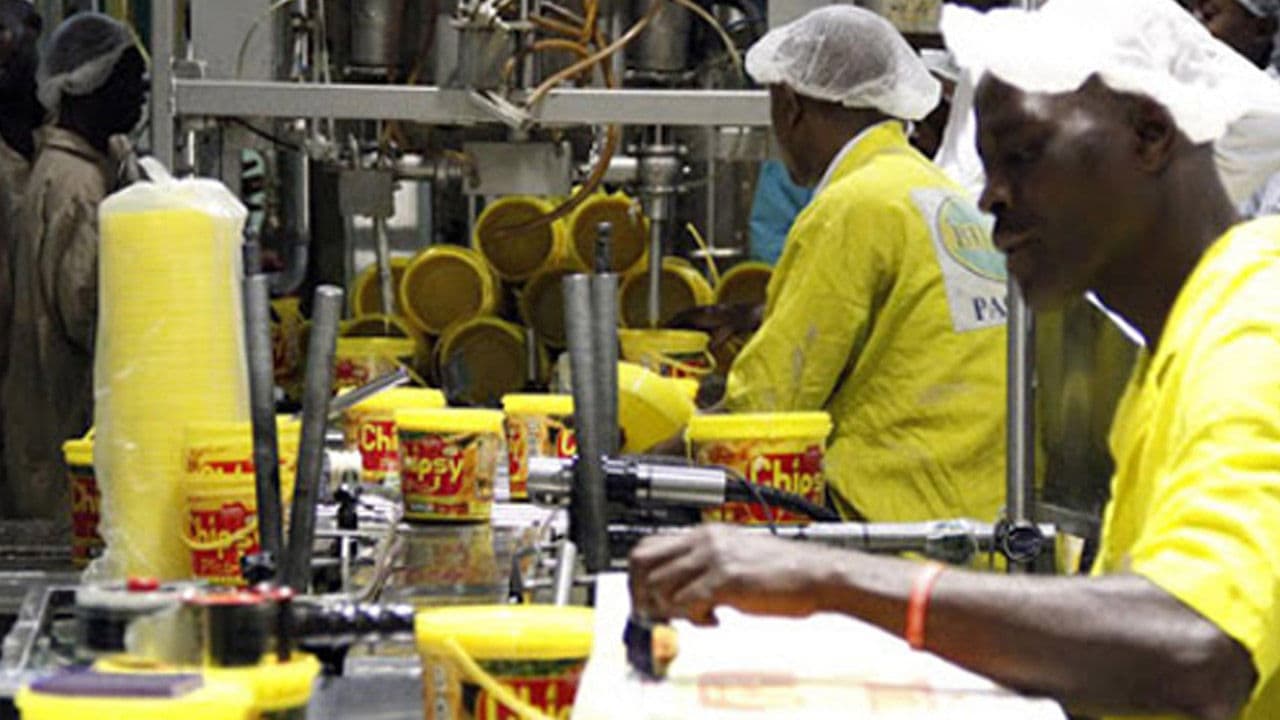
The volatility of the naira is forcing many local businesses to adjust their pricing strategies. Retailers, particularly in the food and consumer goods sectors, are passing increased costs onto consumers. For instance, the prices of essential items such as rice and cooking oil have surged, with some reports indicating increases of up to 30 percent in recent weeks. This trend raises concerns about affordability for average Nigerians, especially as inflation continues to erode purchasing power.
In response to the naira's instability, banks are tightening their lending policies and raising interest rates. This shift aims to mitigate risks associated with currency fluctuations but also makes borrowing more expensive for businesses. Consequently, many small and medium-sized enterprises (SMEs) may struggle to access the capital needed to sustain their operations, further complicating the economic landscape.
Despite the challenges posed by currency volatility, Nigeria's fintech sector is emerging as a potential solution. Innovative payment platforms are enabling businesses to conduct transactions in multiple currencies, thereby reducing reliance on the naira. Additionally, some fintech companies are offering hedging solutions to help businesses manage exchange rate risks, providing a buffer against the naira's fluctuations.

The oil and gas sector, a critical component of Nigeria's economy, is also feeling the impact of the naira's swings. With global oil prices fluctuating, the naira's instability complicates revenue projections for oil companies. Many firms are now reassessing their investment strategies and operational costs, which could lead to a slowdown in new projects and job creation within the sector.
As prices continue to rise, consumer sentiment is shifting. Many Nigerians are expressing concerns about the affordability of basic goods and services. This change in sentiment could lead to reduced spending, further impacting businesses that rely on consumer purchases. Retailers now face the dual challenge of managing costs while maintaining customer loyalty in a tightening economic environment.
Looking ahead, the outlook for the naira remains uncertain. Analysts suggest that without significant economic reforms and stabilization measures, the currency may continue to experience volatility. Businesses are encouraged to adapt to this changing landscape by exploring alternative strategies, such as diversifying supply chains and investing in local production to mitigate the effects of currency fluctuations.