Yoruba Fabrics: A Modern Fashion Revolution
Yoruba fabrics are influencing modern fashion, merging tradition with contemporary style in vibrant ways.
Koko Insight
High confidenceYoruba fabrics and cultural elements are increasingly influencing modern fashion, blending traditional styles with contemporary designs.
Who is affected
Yoruba designers, fashion industry professionals, consumers interested in cultural fashion
What should you do
Explore collections from designers like Duro Olowu and Folake Coker to appreciate the fusion of Yoruba culture and modern fashion.
What to watch next
No specific follow-up is expected yet.
Five key takeaways
- Yoruba culture is gaining recognition in global fashion.
- Adire and Aso Oke are key Yoruba fabrics inspiring designers.
- Designers like Duro Olowu blend traditional and modern styles.
- Yoruba beadwork adds cultural depth to contemporary jewellery.
- The movement fosters appreciation for Yoruba heritage in fashion.
Read in 30 seconds
- Yoruba culture influences modern fashion significantly.
- Key fabrics include Adire and Aso Oke.
- Designers blend traditional styles with contemporary designs.
- Yoruba beadwork enriches jewellery with cultural narratives.
- The movement promotes cultural appreciation and innovation.
Yoruba culture is gaining more recognition in the fashion world, especially in the West. Yoruba tradition, famed for vivid textiles and unusual styles, is inspiring designers. The Yoruba are an ethnic group of more than 40 million people predominantly residing in southwestern Nigeria, Benin and Togo. It’s more than simply a trend; it’s a cultural movement that takes centre stage on Yoruba traditions and celebrates their beauty in the fashion of today.
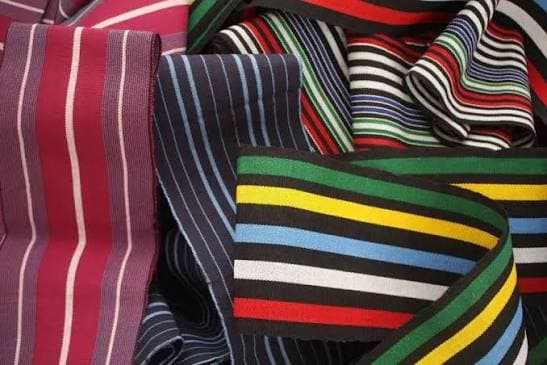
Adire and Aso Oke are two of the most popular Yoruba fabrics. Adire is a traditional form of resist-dyeing that produces lovely patterns, each of which holds a history and a cultural story. Duro Olowu and others have explored the story element of Adire in their designs. Aso Oke, on the other hand, is a hand-woven cloth that is normally saved for special events. Many designers now are re-imagining it in new patterns, making it a popular choice for formal and informal wear.
Yoruba fabrics are being used in many designers’ designs. I think of Duro Olowu and Folake Coker and Lisa Folawiyo, who are blending the traditional with the modern. Coker’s designs combine Western silhouettes with traditional Yoruba clothing, such as the agbada and buba, and emphasise comfort and elegance. This blend makes their collections more attractive and promotes appreciation of culture.
Another big piece of this cultural influence is the Yoruba beadwork. Designers such as Lisa Folawiyo have taken Yoruba beading to the forefront of the market and demonstrated how it can talk. Every bead and design has a narrative that makes the jewellery more meaningful. The incorporation of cultural meaning into Western jewellery design gives depth to the story and connects the wearer back to the heritage that sustains the craft.

But the influence of Yoruba culture does not stop at textiles and jewels. Janeen Jackson shows how movement tells stories in Yoruba dance. Contemporary dance stitches these together to tell new stories that traverse cultures and experiences. Such artistic engagement is a reflection of the richness of the Yoruba traditions and their importance in the contemporary global world.
Fashion is likely to be critical for Yoruba textiles. As long as designers maintain using these cultural elements, we might start to see more innovative designs that merge tradition and modern style. The debate between Yoruba culture and Western fashion is not only impacting the fashion business but also fostering a greater awareness and appreciation of many cultural stories.
Yoruba fabrics and patterns are more than just a fashion trend of the day; they are also a tribute to a deep cultural heritage. Designers are constantly exploring this living legacy and reinterpreting it, producing lively patterns that link the past and the present. The movement asks us to look for the meaning in every design, the story behind every substance.