What It Really Takes to Deploy AI in Nigeria
Deploying AI in Nigeria requires more than software. Reliable infrastructure, local data, skilled workers, clear rules and human oversight are essential for lasting value.
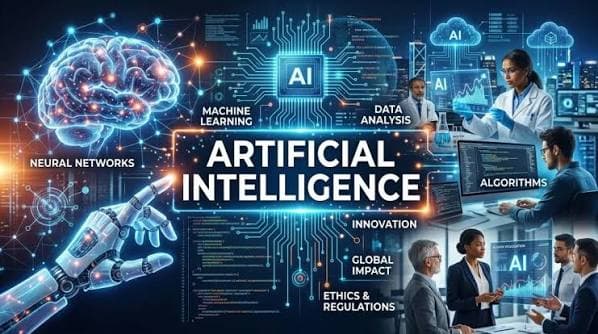
For Nigerian businesses and public institutions, adopting artificial intelligence involves far more than buying access to a chatbot or installing new software. Successful use depends on reliable electricity and internet connections, suitable local data, trained workers, clear rules and a practical reason to deploy the technology. Without those foundations, AI projects can remain demonstrations rather than tools that improve services or reduce costs.
Infrastructure is one of the first barriers. AI systems require dependable access to computers, cloud services, networks and electricity. Organisations operating with unstable power or limited connectivity may face interruptions, higher operating costs and difficulty keeping sensitive information within approved systems. Smaller businesses are likely to feel these pressures more sharply because they have fewer resources for backup power, specialised hardware and technical support.
The quality of the information used by an AI system also affects its usefulness. Many tools are trained mainly on data from outside Africa and may struggle with Nigerian names, accents, languages, laws, business practices and local conditions. Organisations need accurate, well-organised records and processes for checking whether an AI-generated answer is correct before it reaches a customer, patient, student or public-service user.
Skills remain another major requirement. Employees do not all need to become software engineers, but they must understand what an AI tool can and cannot do, how to write effective instructions, how to identify errors and how to protect confidential information. Technical teams also need expertise in connecting AI to existing systems, monitoring performance and updating tools when the underlying data or business process changes.

The strongest business case is usually a specific problem rather than the technology itself. A company might examine whether AI can shorten response times, help staff search internal records, detect unusual transactions or support routine administrative work. Before expanding a pilot, decision-makers should compare its benefits with subscription fees, integration costs, staff training, security controls and the expense of correcting mistakes. Human review is particularly important in finance, healthcare, education, employment and government services.
Trust and accountability will shape how widely AI is used. Organisations need rules covering personal data, access permissions, cybersecurity, records of automated decisions and responsibility when a system produces a harmful or inaccurate result. They also need safeguards before deployment, controlled testing environments, continuous monitoring and clear procedures for reporting security incidents or unexpected behaviour. Compliance with Nigeria’s data-protection framework, including the Nigeria Data Protection Act, will need to be considered alongside sector-specific requirements.
Nigeria’s regulators, businesses, schools and civil-society groups will have to clarify how these rules apply to high-risk AI systems and who should oversee their testing, deployment and auditing. Questions about the cost of safe deployment, access to cloud infrastructure, local datasets, Nigerian-language performance and the technical skills available will also shape adoption. AI is likely to deliver the most lasting value when it is introduced gradually, tested against Nigerian conditions and treated as a tool that supports human judgment rather than replaces it.