Nigeria's Malaria Challenge: More Than Just Bed Nets
Nigeria faces a major malaria challenge, with bed nets proving insufficient against rising cases. A comprehensive strategy is vital.
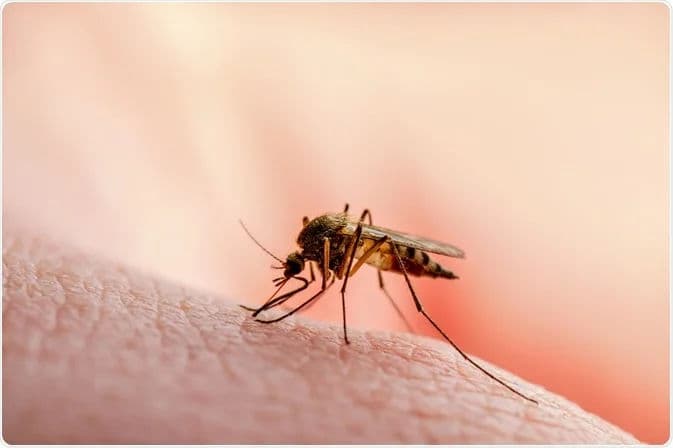
Nigeria continues to grapple with a significant malaria burden, particularly during the rainy season when transmission rates peak. The World Health Organization (WHO) estimates that Nigeria accounts for nearly 27 percent of global malaria cases, making it a critical focus for public health efforts. Despite widespread distribution of insecticide-treated bed nets, malaria remains a leading cause of morbidity and mortality in the country.
While bed nets are a vital tool in malaria prevention, their effectiveness can be limited by several factors. Many households do not use them consistently, and some nets may degrade over time or be improperly maintained. Additionally, the emergence of insecticide-resistant mosquito strains poses a growing challenge, diminishing the protective benefits of these nets. Experts emphasize that relying solely on bed nets is insufficient to combat the seasonal spikes in malaria cases.
Health authorities and experts advocate for a multi-faceted approach to tackle malaria in Nigeria. This includes improving access to rapid diagnostic tests and effective antimalarial treatments, enhancing community awareness about malaria prevention, and implementing environmental management strategies to reduce mosquito breeding sites. The National Malaria Elimination Programme (NMEP) is working to integrate these strategies into a cohesive response that goes beyond bed nets.
Community involvement is crucial in the fight against malaria. Health officials stress the importance of educating the public about the symptoms of malaria and the need for prompt treatment. Initiatives aimed at increasing community participation in malaria prevention efforts, such as clean-up campaigns to eliminate stagnant water, are being promoted. These efforts aim to empower communities to take ownership of their health and reduce the incidence of malaria.

The Nigerian government, alongside international partners, is mobilizing resources to enhance malaria control efforts. Recent funding initiatives have been launched to support research and development of new malaria interventions. However, the sustainability of these efforts remains a concern, as ongoing financial and logistical support is essential for long-term success in reducing malaria transmission.
As Nigeria continues to face the seasonal challenges of malaria, a comprehensive and integrated approach is vital. Stakeholders are urged to collaborate on innovative solutions that address the underlying factors contributing to malaria transmission. By moving beyond bed nets and implementing a broader strategy, Nigeria can make significant strides in reducing its malaria burden and improving public health outcomes.